


- Author:
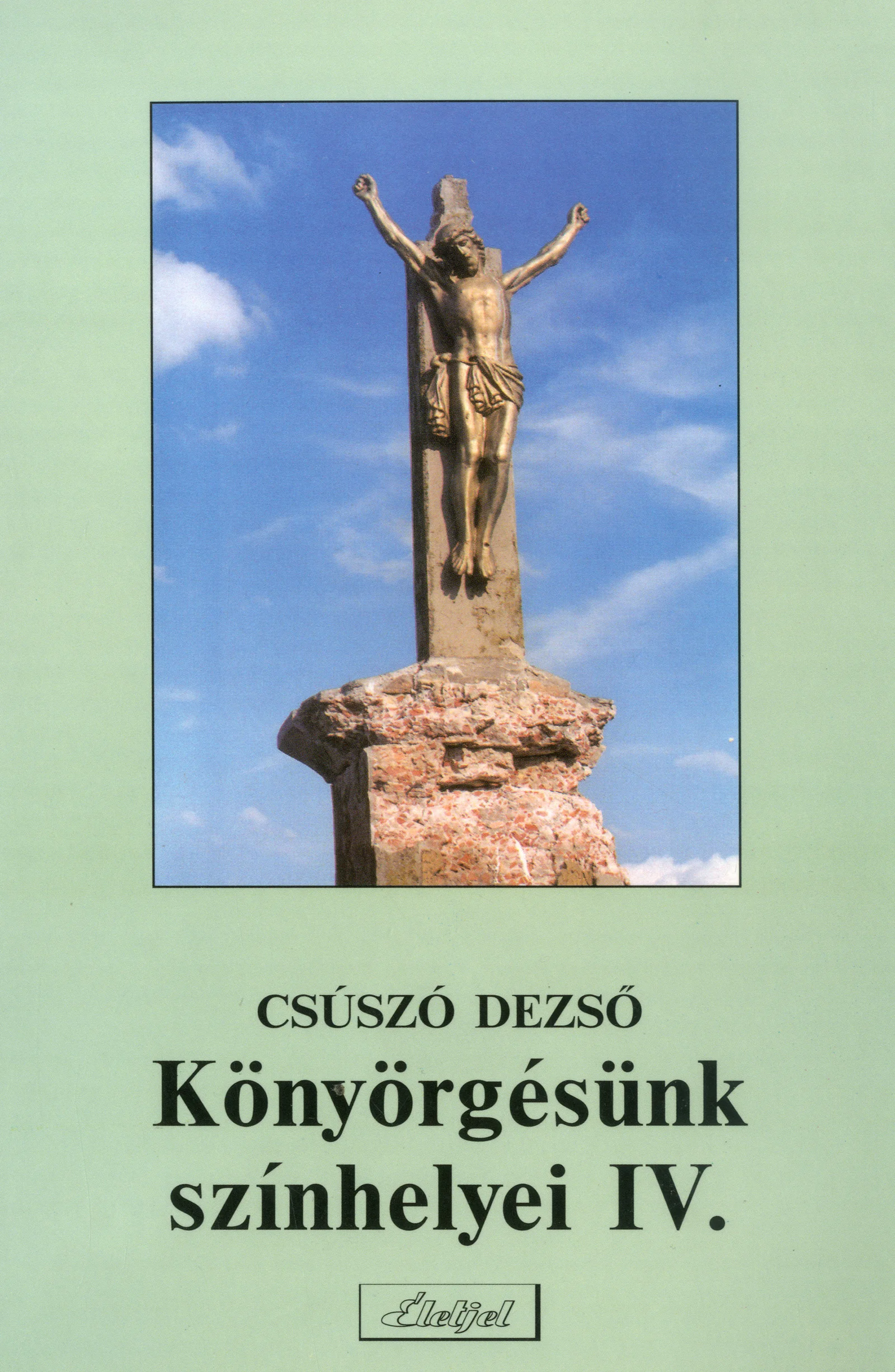
- Csúszó Dezső
- Year and place of publication:
- 2006,Subotica
- Publisher:
- Szabadkai Szabadegyetem
- Responsible publisher:
- Perović, Blažo
- Series title:
- Életjel Könyvek
- ISBN:
- 86-82147-81-5
- Page count:
- 200 pages
- Genre:
- Monograph
- Subject terms:
- BajmokČantavirLocal historyCrossesPublic crosses
Preface/Afterword
INTRODUCTION
I conclude my monograph on crosses by presenting the public crosses erected in the two 18th-century wastelands of the city, and in the territories of the villages of Bajmok and Čantavir established on them. Although the two settlements were administratively subordinate to the county, their religious small monuments are justifiably presented here because they always belonged to Subotica ecclesiastically – from their settlement in the 1780s, the Council of the free royal city continuously fulfilled the ecclesiastical, patronage role. We also took into account the fact that they have been administratively part of Subotica for decades, and just like Šandor, the third village with a similar status, they are now organized as local communities of the municipality.
The salvific role, repeatedly emphasized in connection with this work, is even more pronounced for these two settlements, because compared to other areas, Bajmok and Čantavir experienced a more intense demolition and permanent destruction of small religious monuments, including public crosses, during the so-called cross-destroying times following the world wars.
The material of this current, fourth part is organically linked to the work that processed approximately three hundred public crosses in Subotica, published in the previous volumes. With this, I consider the inventorying of crosses erected in the present-day territory of the municipality, and in the border areas that periodically belonged to the city from the Ottoman occupation until today (Zobnatica, Felsőcsikéria, Felsőkelebia, Tompa), as well as their presentation according to the method used in the published books, to be complete.
Since I discovered new data regarding previously discussed crosses during my ongoing research in the Subotica archive, I will present these in a separate chapter. I was unable to study the relevant material in Hungarian archives (Archiepiscopal Archives of Kalocsa, National Archives of Budapest) – the still discoverable documents might even provide enough material for a supplementary volume.
We also deemed it necessary to compile a unified index of the public crosses processed in the four volumes, which we have appended to our book.
Subotica, June 2006
Flap Text
Dr. Dezső Csúszó was born in Kisorosz, Banat, on November 8, 1952. After completing his primary and secondary education in his native village, the neighboring Nagykikinda, and Senta, he obtained his degree from the Faculty of Medicine at the University of Novi Sad in 1977. From the outset, he has been active in Subotica's healthcare system – since 1989, he has worked at the city's Ambulance Service, becoming its chief physician in 2003. In addition to his demanding and challenging professional commitments, he has spent approximately ten years researching the history of Subotica's small religious monuments – placing great emphasis on their essential archival and local historical research, alongside their field exploration. Four volumes on the history of public crosses, which constitute the majority of the nearly five hundred sacred small monuments, have been published by Életjel Könyvkiadó in Subotica, including the current one. Every memorial cross has its own everyday story, revealing the occasion for which its owner erected it, or had it erected, and what important event it commemorates. These memorial crosses are thus the stone-preserved tradition of the region, the landscape, into which, if we could fully immerse ourselves, the stories and history preserved in every cross would be illuminated. This could be the most comprehensive chronicle of the people living here. The people who erected these memorial crosses were real individuals who, through the work of Dr. Dezső Csúszó, have transitioned from real time and space into the realm of narratives and tales. Today, everyone can see these crosses, but unfortunately, not everyone can hear them, recognize them, read them, and understand them. Only those who wish and are able to can access the secrets hidden in the stone. Dr. Dezső Csúszó is undoubtedly among them.
From Milovan Miković's book review
(Bácsország, 2005.)