

- Author:
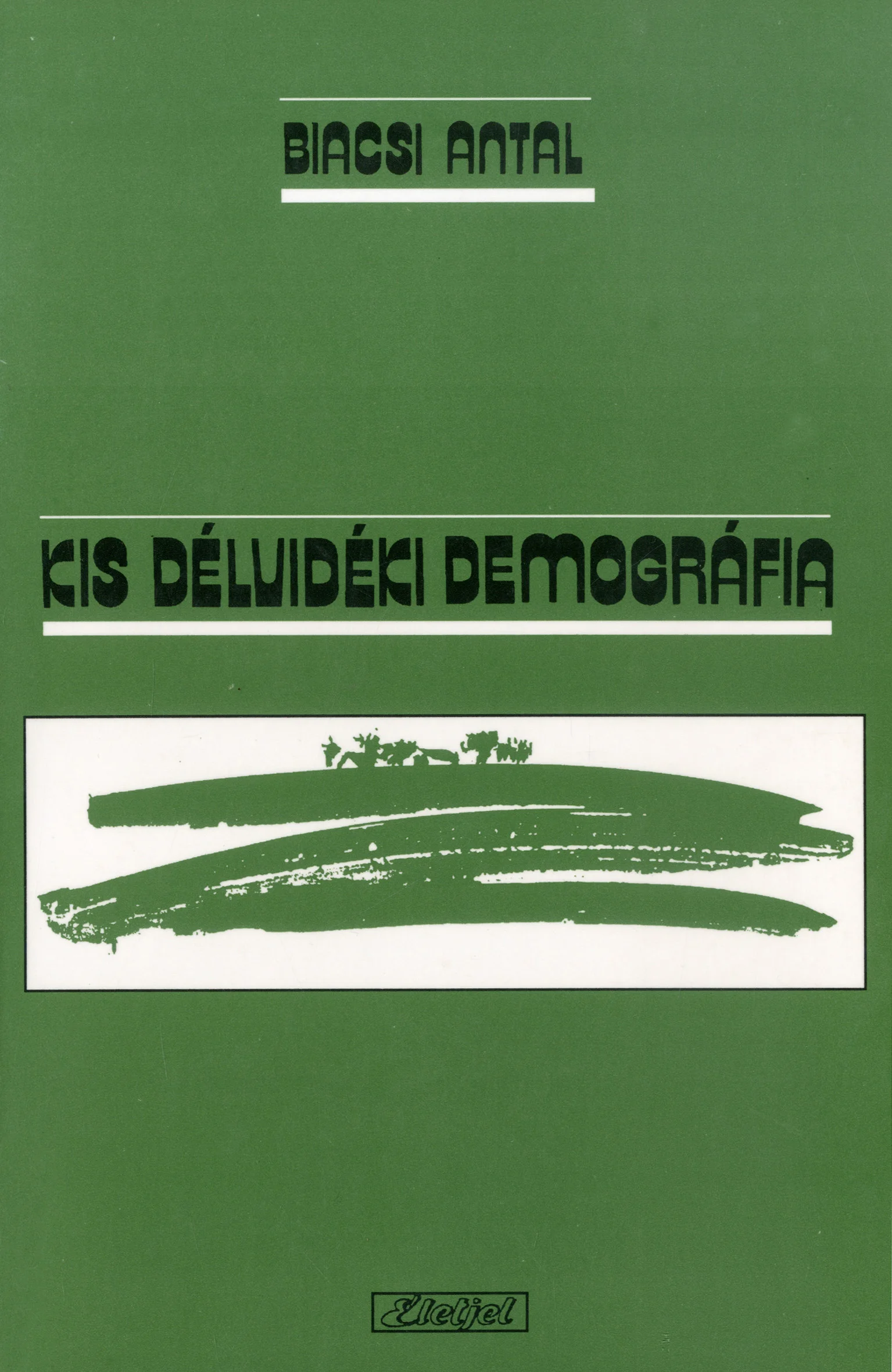
- Biacsi Antal
- Year and place of publication:
- 1994,Subotica
- Publisher:
- Szabadkai Szabadegyetem
- Responsible publisher:
- Perović, Blažo
- Series title:
- Életjel Könyvek
- ISBN:
- 86-82147-08-4
- Binding:
- soft
- Page count:
- 144 pages
- Genre:
- Study
- Subject terms:
- VojvodinaDélvidékdemographyNorthern BanatNorth Bačka1991Vojvodina Hungarianssociology
Flap Text
This study, cultivated as noble journalism, addresses demographic issues in Vojvodina, northern Bačka, and northern Banat, illustrating the decline of the Hungarian population based on census data across eight municipalities in Vojvodina, northern Bačka, and northern Banat, including their cities and villages. The book consists of thirteen parts. The first part describes the demographic situation in Vojvodina. The starting point is the data from the 1991 census. The subject matter and comparisons are primarily based on data from official censuses conducted after World War II. Within this, it discusses in more detail the Yugoslavs as a “new nation,” mixed marriages, and the development of the nationality of offspring born in mixed marriages.
Based on the final and officially published data from the 1991 census, the book specifically discusses the demographic issues of the Hungarian population in the municipalities of Subotica, Ada, Apatin, Kanjiža, Mali Iđoš, Bačka Topola, Senta, and Sombor – primarily the drastic population decline at the municipal level, addressing the depopulation trends observed in individual settlements. The volume, richly illustrated with tables and graphs, also covers the numerical development of the Hungarian population in the eight northern Banat municipalities – Kikinda, Čoka, Novi Kneževac, Novi Bečej, Zrenjanin, Srpska Crnja, Jarkovac, and Sečanj. The author specifically examines the decline and aging of the population in four settlements (Toba, Srpska Crnja, Torda, and Itebej) that are still considered typical Hungarian villages today.
The twelfth part, in an essay-like format, presents the numerical development of the Hungarian population of Novi Sad from the city's formation to the present day. In the last, thirteenth part, Antal Biacsi concludes his analysis by presenting the demographic and national data of the Federal Republic of Yugoslavia.
Table of Contents
- A legnagyobb interjú
- A számok tükre
- Vajdasági pásztázó11
- A nemzetiségi helyzetkép15
- A jugoszlávok17
- A vegyes házasságok19
- A gyerekek nemzetisége23
- Mindenki legbensőbb ügye28
- „Magyar betegség”30
- Szúrágta szabadkai korfa
- Tíz év mérlege35
- A nemzetiségi paletta38
- Száraz ágak a korfán41
- Adai népességadat
- A község47
- Ada49
- Mohol51
- A tanyavilág53
- Apatini lélekapadás
- A lakosság összetétele56
- Nemzetiségcserék57
- Kanizsai népfogyatkozás
- A településhálózat62
- A kiegyezéstől napjainkig64
- Óh... Gyász... Jaj...67
- Szaporodó háznép69
- Kishegyesi népességkép
- Harminc év népességfogyás73
- Fogyó magyarok75
- Bácstopolyai létszámfejtés
- Kéttucatnyi település80
- Kevesebb háztartás, több lakás83
- A számok tengere85
- Zentai lakosságleltár
- Csökkenő lakónépesség91
- A magyarok fogyása93
- Nyíló zombori rózsák
- A körzeti központ98
- Az előnyjog után100
- Bánáti népbánat
- Nyolc bánáti község105
- A magyarság fogyása108
- Négy falu Bánát-bánata112
- Újvidék magyarsága
- Nemzetiségi országolás
- Irodalom