



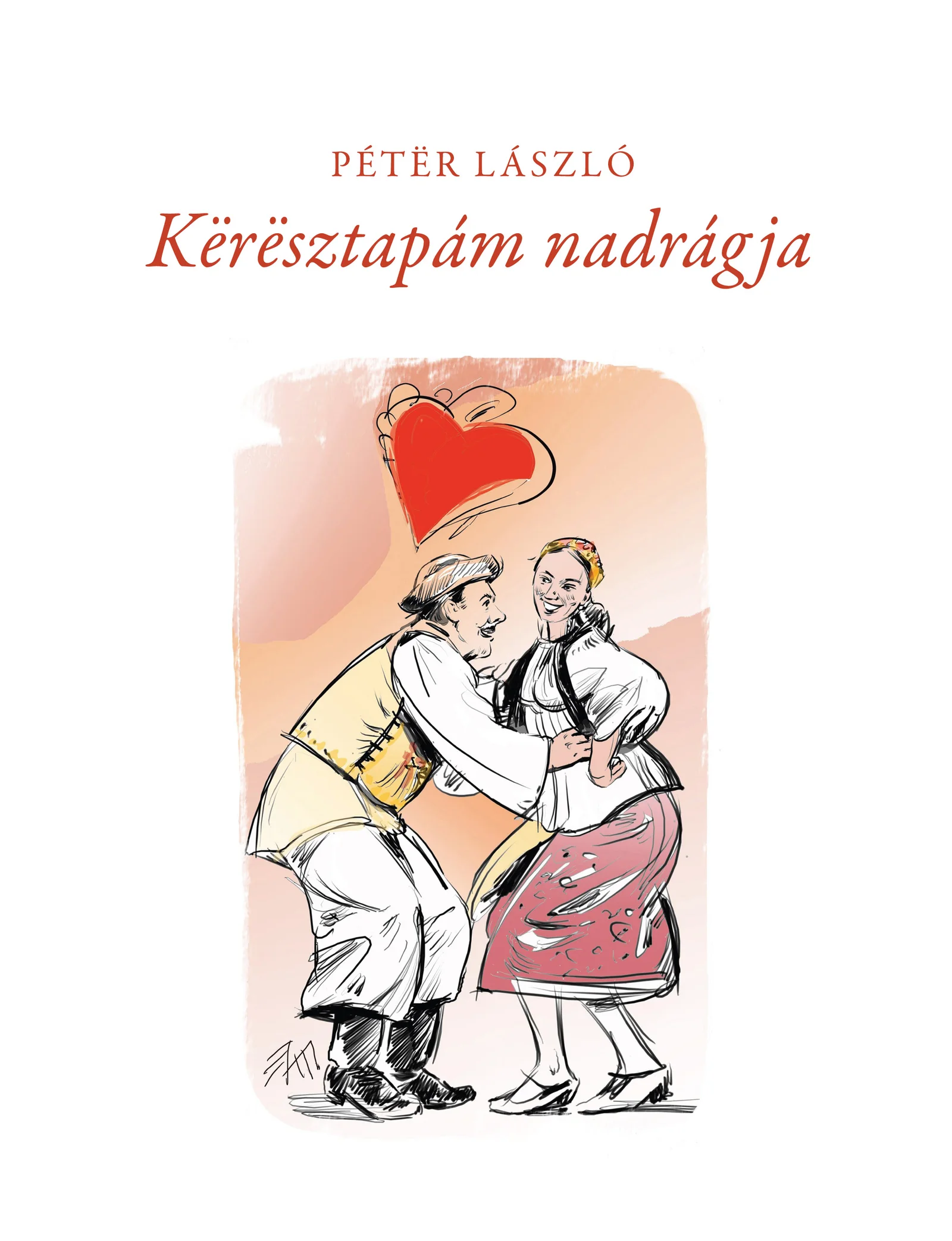
- Author:
- Péter László
- Year and place of publication:
- 2011,Senta
- Publisher:
- Vajdasági Magyar Művelődési Intézet
- ISBN:
- 978-86-86469-51-9
- Binding:
- hardcover
- Page count:
- 262 pages
Preface/Afterword
FOREWORD
I am a child of the Lower Danube Székely community. I was born in Székelykeve and grew into a conscious young man there. From my early youth, I was greatly interested in the culture and traditions of my ethnic group, the Bukovina Székelys. So much so that at the age of twenty, in search of my roots, I even went to Bukovina. I walked the streets, fields, and cemeteries of the five former Hungarian villages: Istensegíts, Fogadjisten, Hadikfalva, Andrásfalva, and Józseffalva. After returning home, I began to research the history of our people to unravel the mystery: how did my ancestors get from the Bukovina plateau to the former marshes of the Lower Danube? A quarter of a century later, I repeated this journey, now with a mature mind: to “see with seeing eyes”...
Besides traditions, at home, I always observed the everyday life of my people with great interest. In my book, I try to convey the charming little stories of these lived everyday lives. In the three settlements clinging to the marshland and floodplain—Székelykeve, Hertelendyfalva, and Sándoregyháza—I managed to gather a hundred or so of them. Most of them, however, I collected in my nurturing environment, Székelykeve. This is just a crumb from the large whole: and yet, how much is in it... I owe eternal gratitude to my community.
In my childhood, I listened open-mouthed to the conversations of adults: my grandparents, parents, relatives, neighbors, and other villagers. In my book, I tried to preserve the amusing or mysterious stories told by the elderly “folk” who settled in front of our parental home, or at festive or everyday gatherings. I endeavored to restore them to their regional, original imagery and retell them in a rephrased way for my own entertainment and for those interested in preserving traditions.
It happened that I sometimes renamed my heroes or refined the vividness of the narratives a little. I know I might be stoned for this too. But for the sake of preserving their honorable memory, I could not do otherwise.
In Herceghalom, November 2011, on the first Sunday of Advent
***
Humorous Lower Danube Székely Tales, Legends, Stories
(...)
László Pétër's collection is not the result of systematic ethnographic research. According to him, the stories in the volume have been heard many times since his childhood in his family, from the “Székelys,” the Hertelendys, and the Sándoregyházys. Now, after several decades, he has recalled, written down, edited, and rounded them out. The volume contains only one genuine belief legend (The Witch), but in many cases, well-known superstitions from tradition appear (The Horned Witches, The Death-Bringing Dog, Sending Warts, The Test of Courage, The Garden Man, etc.), though in this case, only in a joke where they are exposed. Two classic Rátótian tales are included in the volume: The Centering of the Ivanovo Church and The Moss-Eating Cow.
Most of the stories are drawn from real life. Almost a panopticon of the Lower Danube appears before us. From small children to the elderly bidding farewell to life, the “Székely” figures of the past century parade before our mind's eye – many by name, sometimes as one-time people: the pub-goers, the masters, the priests, the gamekeepers, the projectionist, the lovers, and those now preparing for death.
(...)
Excerpt from Rozália Kóka's afterword
Flap Text
Graphic artist László Pétër was born and raised in Skorenovac (Székelykeve), near Belgrade, and moved to Hungary with his family during the Yugoslav Wars. The two decades of absence have not alienated him from his people; he remains a loyal son of the Bukovina Székely community along the Lower Danube. His book is not the result of systematic ethnographic collection, as he states that he heard the stories in the volume many times since his childhood from his family, the “Székelys,” the Hertelendys, and the Sándoregyházys. Now, after several decades, he has recalled, written down, edited, rounded out, and illustrated them. Most of the stories are drawn from real life. Almost a panopticon of the Lower Danube appears before us, in which, from small children to the elderly bidding farewell to life, the “Székely” figures of the past century parade before our mind's eye – many by name, others as “one-time” people: the pub-goers, the masters, the priests, the gamekeepers, the projectionist, the lovers, and those now preparing for death. The author concludes the series of stories with a bouquet of “Székely golden sayings.”
Rozália Kóka
Table of Contents
- Előszó7
- Régi világ: „Rongyos bukovinai telepesek!”
- A pattantyús bolha meg a varangy esete 10
- A bácskai tölgy 12
- A székëli háromkirályok15
- A toportyánfarkas16
- Harcsák a kukoricaföldön! 19
- Estére halat ehettek 20
- Anyóék szenet találtak!21
- A kölcsön esővíz 24
- Pius bám és a zsák homok 27
- Babonás történetek
- Boszorkányok 30
- A halálhozó kutya 32
- Szümölcsküldés 34
- A bátorságpróba39
- A szarvas boszorkányok41
- Gyermëk a Holdban
- Egészségedre, Mátéka!44
- Apa, dëndess...47
- Márika megél a közön 48
- A kerti ember 50
- A zöld szilva és a kerti ember 53
- A tojásköltés56
- A nyökögős diák esete 58
- Ësztike 60
- Ganyéhordáskor születtek! 63
- Karcsi meg a cukor 66
- Dinárka 68
- A vëknis mutatvány 70
- A székeli betyárok 72
- Híjták kapálóba 75
- A jegyző úr és a bagoly77
- A polózsnok79
- Háború, és ami utána jön
- Sírj, Gergé! 84
- Háburus helyzet 86
- A tökfőzelék 89
- Xénia néni meg a háburus bolhák 90
- A kényszermunka 93
- Hitler a fotográfián94
- Pius bám és az obaveza 97
- Nem piros99
- A székëliek esete Titóval101
- Kocsmázó
- A kisbíró106
- A márka bëzzëg këll!108
- Verik a blattot112
- Nem csak pálinkával él az ember 115
- A kocsmáig meg vissza 116
- Beléestem, benne vagyok119
- Biciklik 120
- Árokban hálni veszélyes! 122
- Mestër, vigyázzon! 125
- Szeretősek
- Mitől lënne gyermëk? 128
- Borbély Jani szeretője 131
- Pillancs Orbán erősködése 133
- A rëhomazsír134
- Ez mán ërotikus136
- Józsi bám meg a hűség 138
- Kicsit elvétette140
- Hogy lëtt mëg Rëbi?142
- Kútba esett Ványa bám 144
- Mesteresek
- A koporsócsinálás148
- Guszti bám reggelije 150
- A gyújtógyertya152
- Tóltak? 155
- A mozis 156
- Mé’ nem gyúti bé?159
- Ugratósok és csúfondárosok
- A kubikos mëg a szalonnabőr 162
- A hosszú nevű székely kubikosok 163
- A nagyon kedves Bindi szomszéd 165
- A tudálékos szomszéd167
- A kis farkasok169
- Templomos történetek
- A templom cëntrírozása 172
- A mohaëvő tehen173
- A pap mëg a faszujka 174
- Lázár és a Jóisten 176
- Szamaras és disznó történetek
- Drumácné kordéja 182
- A „tényleg” mester184
- A talicskás koca 187
- Disznóvágás sörétes puskával 189
- Disznóvágás vaktában 191
- A hazatért hurka193
- Rëgina és János a lakadalomban195
- Éjjeliőrök
- Biszok apó201
- Biszok apó és a tëkijai búcsú 203
- Biszok apó és a pufon 207
- Az éjjeliőrök tisztessége 208
- A csőszök alkonya210
- Ha meghalok
- A mëtilës eset 215
- Majd mëgmutatom, ha ingem temetnek...217
- A szabó koporsója 219
- A kripta221
- Ambarus kriptája 222
- Mëgëbredt a halott 224
- Maradék
- Tëlbisz bám és a hasmenés 228
- Eldurvulóban 231
- A cirok között a legjobb...232
- A szűk nadrág 235
- Antal, Antal...236
- Sírásó nélkül239
- Favirágos rokolya240
- Kërësztapám nadrágja243
- A pap mëg a kanász ëggyessége245
- Apja fija 246
- Kutyaszaros szerződés249
- Néhány székëlyi aranyköpés
- Utószó
- Tréfás al-dunai székely mesék, mondák, történetek 258