

- Author:
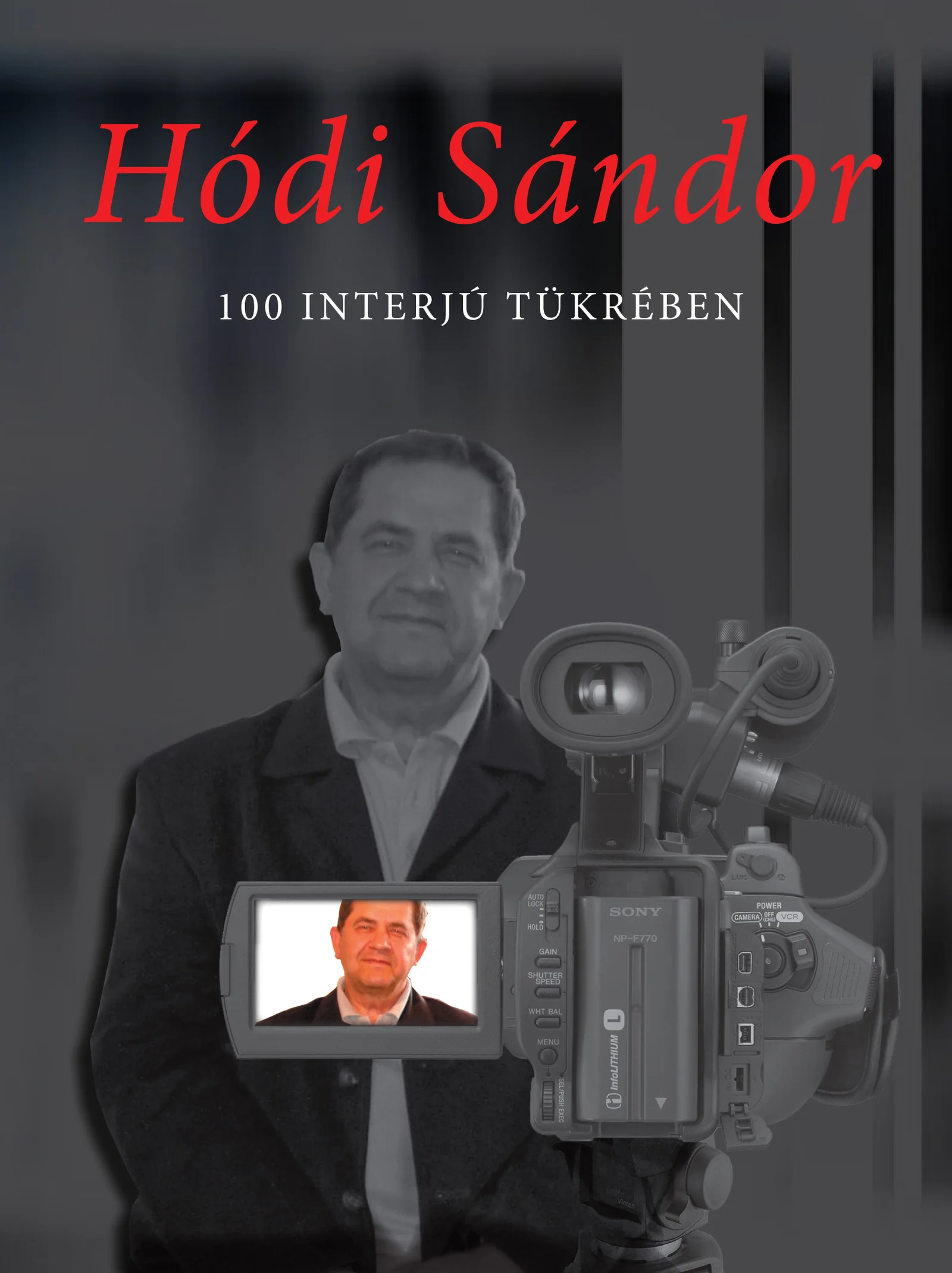
- Gruber Enikő, Sándor Hódi
- Collected by:
- Gruber Enikő
- Year and place of publication:
- 2008,Senta
- Publisher:
- Vajdasági Magyar Művelődési Intézet
- Responsible publisher:
- Hajnal Jenő
- ISBN:
- 978-86-86469-08-3
- Page count:
- 221 pages
- Genre:
- Interview
- Content owner:
- Vajdasági Magyar Művelődési Intézet
- Inventory number:
- 1433
- Subject terms:
- Sándor Hódipsychology
Flap Text
What threads can be used to string together Sándor Hódi's thoughts, words, and experiences? What was unclear until now, and became clear after compiling a career portrait based on a hundred interviews? Why are Sándor Hódi's thoughts and experiences related to health, illness, family, nation, power, justice, oppression, knowledge, and human understanding significant?
In my opinion, every reader of the book can find useful ideas for themselves. Sándor Hódi – whatever the topic – always dissects matters of public interest. As a psychologist, writer, and politician, he seeks answers and explanations to the phenomena that make our lives difficult, to complex life situations. His professional biography contains new insights that can lead to deeper self-awareness, making it easier to navigate the world of human relationships and ourselves.
(Enikő Gruber)
The everyday, self-evident form of deepening self-awareness and, along with it, developing a successful life strategy is an intimate conversation with another person: a parent, spouse, friend, or professional, because we cannot withdraw ourselves from the influence of others. Everyone affects us in some way with whom we come into contact, just as we affect others. And everyone affects the other person with the fullness of their personality: with their knowledge or ignorance, with their constructive criticism or offensive intent, with their character or its shortcomings, with their skill or clumsiness, with their faith or credibility, with their diligence or laziness, with their standing up or cowardice. The effect on each other is therefore never neutral: it builds or destroys, the consequences of which are difficult to predict in advance.
(Dr. Sándor Hódi)
Table of Contents
- I. fejezet: Az interjú mint kutatási módszer
- Mi az interjú?7
- Felnőtt mesék7
- Az interjúkészítés célja8
- Az interjúkészítés technikája8
- Az interjúalany8
- Az időbeliség9
- Az életrajz szerkezete9
- Fókuszált élettörténet10
- Az értelmezés többértelműsége10
- Közös munka11
- A motiváltság11
- A személyes érintettség12
- A kutatási módszer12
- A szavak hitelessége13
- Időrend és tematikus sorrend13
- Klasszifikáció14
- Névvel vagy névtelenül14
- Kvalitatív kutatás15
- Kinek készült a munka?15
- II. fejezet: Pályakép az interjúk tükrében
- Utam a pszichológiához 19
- Egyetem, tanárok23
- Tanulóévek, tanítómesterek25
- Popper Péter26
- Kardos Lajos28
- Mérei Ferenc29
- Kun Miklós32
- Szakmai tapasztalatszerzés (1975–2007)35
- Pszichológus? Mit akar itt?35
- A munka ésszerűsítése és humanizálása36
- Alkalmasságvizsgálatok37
- A tesztek38
- „Figyeljük magát!”39
- Kutatómunka40
- Minden mindennel összefügg41
- Klinikai pszichológia42
- Ismerjük-e önmagunkat?42
- A lelki egészség ismérvei45
- Nem csak kenyéren él az ember46
- Oktatás, tehetséggondozás47
- Úton a „galaktikus tudathoz”?49
- A szélhámosoknak áll a világ?50
- A tehetséggondozásról51
- Elmélet és gyakorlat53
- A bűnhődés paradoxona 55
- Személyiség és társadalom 57
- Viselkedésformák57
- A gének szerepe57
- Ikerkutatások58
- A szocializáció59
- Változás az emberek viselkedésében61
- A személyi kapcsolatok világa62
- Beszélhetünk-e deviáns lelkialkatról?63
- Kábulat és alkotás64
- Félelmünk vakfoltjai65
- A narkósok betegek?67
- Milyen személyek a telefonbetyárok?68
- A hatalommal járó személyiségváltozások69
- Társadalmi közérzet 71
- Kultúra és közérzet71
- A délvidéki magyarok lelkiállapota73
- Öngyilkosság, depresszió77
- Az érték- és normarendszer összeomlása80
- Az értelmes élet hiánya81
- Mentális vírusok82
- Kisebbségi lét – kisebbségi tudat 83
- Négyfelé tört magyarság84
- Politikai önszerveződés85
- Jogállamra van szükségünk87
- Kisebbségi lét – kisebbségi tudat88
- Kisebbségben, feszültségben89
- Autonómia a konfliktusok megelőzésére90
- Az autonómia esélyei91
- Nemzeti identitászavarok93
- Az államnyelv kísértése93
- A nyelvi kultúra romlásának következményei93
- A nemzetek összeolvadásának rögeszméje94
- A „képzés nyelve” és a „konyhanyelv”95
- Hogyan serkentsük a nyelvtanulást?96
- Az anyanyelvről való „önkéntes lemondás”mítosza97
- Önmagunk vállalásától való félelem98
- Cenzúra és öncenzúra99
- Kisebbség vagy nemzetiség?99
- Nemzettudat – nemzetpolitika102
- Mennyire beteg a nemzet?102
- A kisebbségi tudat torzulása105
- Asszimiláció és diktatúra?107
- A globalizálódó világ107
- A nemzettudat változásai109
- Az identitásmegőrzés esélyei111
- Van-e magyar nemzetpolitika?112
- A politikai akarat összehangolása113
- Tézisek egy új nemzeteszmény megteremtéséhez113
- Egy történelmi esély elszalasztása114
- A nemzetstratégia mentális akadályai115
- Másfél évtizeddel a rendszerváltás után116
- Nyugdíjasok formálják a politikát?117
- A közügyek iránti közömbösség118
- A műveltség és a gazdasági mutatók119
- A helytartó értelmiség120
- Mit várhatunk a jövőtől?121
- Mitől várható a dolgok jobbrafordulása?122
- A népek metamorfózisa123
- Nemzeti karakter125
- Van-e nemzeti karakter?125
- Mi a nemzeti karakter?127
- A magyar nép arca és jelleme128
- „A hőkölő harcok népe”129
- A folytonos veszteségérzés130
- Az otthontalanságérzés131
- „Ej, ráérünk arra még!”131
- A „történelmi igazságtalanságok”132
- Mi a magyar?133
- Ki a magyar?133
- Nemzetiek és „nemzetáruló kozmopoliták”135
- Nemzeti sztereotípiák137
- A magyarság nyugati megítélése138
- Magyar–magyar sztereotípiák140
- Milyennek látnak bennünket Magyarországról?141
- Hogyan tekintenek a határon túli magyarok az anyaországiakra?142
- A szomszéd népek magyarságképe143
- Munkák144
- Létélmény és valóság144
- Magatartásformák és társadalmi viszonyok145
- Illúziók nélkül147
- Pszichológia és ideológia149
- Jugoszlávia bombázása150
- Légüres térben153
- Magyarok a forrongó Szerbiában155
- Ki kicsoda?157
- Köszönöm, drágám!160
- Nemzeti önkép166
- Schengen után170
- A „szülőföldön való boldogulás”175
- A magyarság helyzete175
- A rendszerváltás nyertesei és vesztesei 176
- Demográfiai és mentális problémák177
- A jövő forgatókönyvei178
- Az „európai jövőmodellel”179
- Visszatekintés181
- III. fejezet: Mellékletek
- Az interjúkészítők névsora191
- Az interjúk címjegyzéke192
- Az interjúk bibliográfiai adatai 196
- Az interjúk időbeli megoszlása200
- Az interjúk leggyakoribb témakörei201
- Név- és tárgymutató203