

Biography

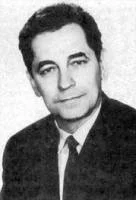
Source of the photo: https://mek.oszk.hu/02100/02139/html/sz28/289.html
He attended elementary school in Urmenjhaza and Subotica, and completed gymnasium (1939) in Subotica. In 1940, he enrolled in the Faculty of Medicine in Belgrade. After the siege of the city, he returned to Subotica. From 1941, he continued his studies in Szeged. After the war, he was a medical student in Belgrade, where he completed an acting course. In 1949, he was contracted as an actor by the National Theatre in Subotica. From 1951, he directed, and in 1952, he enrolled in the Academy of Dramatic Art in Zagreb, where he obtained a directing diploma in 1956. From 1949 to 1952, he was an actor in Subotica. Between 1956 and 1978, he was a director at the National Theatre. From 1970 to 1974 and from 1975 to 1976, he was the acting director of the Hungarian company. Between 1978 and 1989, he was a professor of acting at the Academy of Arts in Novi Sad. He directed numerous significant dramas of Hungarian and world literature (Shakespeare, Moliére, Brecht, Pirandello, O’Neill, Krleža, Svarc, Frisch, Mrożek, Camus, as well as Katona, Madách, Háy Gyula, Örkény). The so-called golden age of the theatre in the sixties is primarily attributed to him.
His Directorial Works:
Komor Gyula: Aladár nem szamár. Subotica National Theatre, 1951
Carlo Goldoni: The Fan. Subotica National Theatre, 1952
Aldo Benedetti: Twenty-Four Red Roses. Subotica National Theatre, 1953
Walter Haselclever: A Gentleman Through and Through. Subotica National Theatre, 1953
Matija Poljaković: Sunflowers. Subotica National Theatre, 1954
Molnár Ferenc: Delilah. Subotica National Theatre, 1954
Dario Nicodemi: Scampolo. Subotica National Theatre, 1954
Calderon de la Barca: Between Two Stools. Subotica National Theatre, 1955
G. Bemard Shaw: Pygmalion. Subotica National Theatre, 1955
Kvazimodo Braun István: Paying Guest. Subotica National Theatre, 1956
Federico Garcia Lorca: Blood Wedding. Subotica National Theatre, 1956
George Axelrod: The Seven Year Itch. Subotica National Theatre, 1956
Hermán Wouk: The Caine Mutiny. Subotica National Theatre, 1956
Kvazimodo Braun István: A Strange Dress Rehearsal. Subotica National Theatre, 1957
Jan de Hartog: The Fourposter. Subotica National Theatre, 1957
Gabriela Zapolska: The Morality of Mrs. Dulska. Subotica National Theatre, 1957
Sulhóf József: No Beginning, No End. Subotica National Theatre, 1958
Paul and Franz Schönthan: The Rape of the Sabine Women. Subotica National Theatre, 1958
Oscar Wilde: The Importance of Being Earnest. Subotica National Theatre, 1958
Barta Lajos: Love. Subotica National Theatre, 1958
Guielherma Figueiredo: The Fox and the Grapes. Subotica National Theatre, 1959
Berislav Kosijer: Tarantella. Subotica National Theatre, 1959
Marivaux: The Game of Love and Chance. Subotica National Theatre, 1959
John Osbome: Look Back in Anger. Subotica National Theatre, 1959
Ray Lawler: Summer of the Seventeenth Doll. Subotica National Theatre, 1959
Alexandru Kiritescu: A Nest of Magpies. Subotica National Theatre, 1960
Őrsi Ferenc: Black Fan. Subotica National Theatre, 1960
Max Frisch: Biedermann and the Arsonists. Subotica National Theatre, 1961
Pavel Kohout: Such a Great Love. Subotica National Theatre, 1962
Lope de Vega: The Dog in the Manger. Subotica National Theatre, 1962
Iván Cankar: Jemej, the Servant. Subotica National Theatre, 1962
Kállai István: Truth Comes Home. Subotica National Theatre, 1962
Miroslav Krleža: Leda. Subotica National Theatre, 1963
Bertolt Brecht: The Threepenny Opera. Subotica National Theatre, 1963
Marcel Achard: The Stupid Girl. Subotica National Theatre, 1963
Eugene O ’Neill: A Moon for the Misbegotten. Subotica National Theatre, 1964
Luigi Pirandello: Man, Beast and Virtue. Subotica National Theatre, 1964
Shelagh Delaney: A Taste of Honey. Subotica National Theatre, 1964
William Shakespeare: Much Ado About Nothing. Subotica National Theatre, 1964
Alexander Breffort–Marguerite Monnot: Irma La Douce. Subotica National Theatre, 1965
Jevgenyij Svarc: The Emperor's New Clothes. Subotica National Theatre, 1965
John Millington Synge: The Playboy of the Western World. Subotica National Theatre, 1965
Madách Imre: The Tragedy of Man. Subotica National Theatre, 1965
Slawomir Mrožek: The Police. Subotica National Theatre, 1966
Aristophanes: Lysistrata. Subotica National Theatre, 1966
Brendan Behan: The Hostage. Subotica National Theatre, 1966
Piero Barillet-Jean–Pierre Gredy: Cactus Flower. Subotica National Theatre, 1966
Alekszej Arbuzov: The Story of a Love. Subotica National Theatre, 1967
Háy Gyula: God, Emperor, Peasant. Subotica National Theatre, 1967
Örkény István: The Tóth Family. Subotica National Theatre, 1967
Murray Shisgal: Luv. Subotica National Theatre, 1968
Katona József: Bánk Bán. Subotica National Theatre, 1968
Albert Camus: Caligula. Subotica National Theatre, 1968
Deák Ferenc: Blueberries. Subotica National Theatre, 1969
Bertolt Brecht: Mother Courage and Her Children. Subotica National Theatre, 1969
Zilahy Lajos: The Witch of Imbros. Subotica National Theatre, 1970
Háy Gyula: Mohács. Subotica National Theatre, 1970
Deák Ferenc: Shortness of Breath. Subotica National Theatre, 1971
William Shakespeare: Richard III. Subotica National Theatre, 1971
Georges Feydeau: A Flea in Her Ear. Subotica National Theatre, 1972
Jacques Audiberti: The Deceived Bride. Subotica National Theatre, 1972
Friderich Dürrenmatt: Romulus the Great. Subotica National Theatre, 1972
Nathalia Ginsburg: I Married You for Fun. Subotica National Theatre, 1973
Tennessee Williams: The Night of the Iguana. Subotica National Theatre, 1973
Mihail Bulgakov: Ivan the Terrible. Subotica National Theatre, 1973
Leonard Gershe: Butterflies Are Free. Subotica National Theatre, 1973
Miroslav Krleža: Golgotha. Subotica National Theatre, 1973
Gobby Fehér Gyula: Moment of Freedom. Subotica National Theatre, 1974
Braginszkij-Rjazanov: Tonight I'm Getting Married. Subotica National Theatre, 1974
Bertolt Brecht: The Caucasian Chalk Circle. Subotica National Theatre, 1975
William Shakespeare: Romeo and Juliet. Subotica National Theatre, 1975
Heltai Jenő: The Silent Knight. Subotica National Theatre, 1976
Neil Simon: The Odd Couple. Subotica National Theatre, 1976
Peter Hacks: Amphitryon. Subotica National Theatre, 1976
Csiky Gergely: Mukányi, or the Curse of Greatness. Novi Sad Theatre, 1976
Illyés Gyula: The Seekers. Subotica National Theatre, 1978
Tolnai Ottó: Clearance Sale. Novi Sad Theatre, 1979
Dale Wasserman–Ken Kesey: One Flew Over the Cuckoo's Nest. Subotica National Theatre, 1980
Nicola Manzari: Pablito's Sisters. Subotica National Theatre, 1982
Bertolt Brecht: The Threepenny Opera. Subotica National Theatre, 1983
Tolnai Ottó: Brilliant. Novi Sad Theatre, 1985
Edward Albee: A Delicate Balance. Novi Sad Theatre, 1987
Tolnai Ottó: Brilliant. Novi Sad Theatre, 1991
Molcer Mátyás: Peace Cries Out. Novi Sad Theatre, 1993